
info@raynerdiesel.co.uk
The weather has turned colder and there are rumblings of snow! Well it is officially meteorological winter on Friday (1st December) so it should be no surprise. The fact is that as a country our road networks and cars aren’t really set up for winter weather. And as we Brits are legendarily cool, calm and collected when we have even the smallest bit of the white stuff (not), we though it would be good to have a look at safe ways to drive in the snow and ice. Unless you like being stranded overnight in your car with half a flask of cold tea and only the dog blanket to keep you warm, read on…

The first step is to ensure that your vehicle is winter-ready. This includes checking the tyre tread depth and general wear and tear. We’re not really accustomed to using snow tyres in this country but they are available to purchase and give your vehicle significantly better traction.
It’s crucial to top up the windscreen washer fluid with a winter formula that won’t freeze. Especially at the time of year when gritters are out and about. Salt and grime from the roads can make your windscreen almost unusable very quickly. A lack of washer fluid can mean a severely impaired vision of the road. If you’re forced to pull over to clear your screen this can also be dangerous.
Why not have a spare bottle in the boot just for emergencies? Antifreezes solutions are sold at most garages and supermarkets nowadays
Additionally, make sure your car’s brakes, battery and antifreeze levels are in good condition to withstand the challenges of cold weather.
When on the road, adjust your driving habits to the slippery conditions. Start by accelerating and decelerating gradually to avoid wheel spin and loss of control. Applying gentle pressure on the accelerator pedal and brake helps maintain traction.
Use lower gears to prevent skidding, especially when going downhill. Try to always keep a safe following distance from the car in front. Stopping distances care significantly longer on icy and snow-covered roads. If your car is equipped with antilock brakes (ABS), understand how to use them effectively by maintaining steady pressure on the brake pedal during a stop.
Steering with smooth, deliberate movements is essential when driving in snow and ice. Sudden, sharp turns can lead to skidding. If your car begins to slide, steer in the direction you want to go and avoid overcorrecting. Familiarize yourself with your vehicle’s stability control system, if equipped, as it can help maintain control during challenging driving conditions.
Visibility is often reduced in snowy and icy conditions, so use your headlights, even during daylight hours, to make your vehicle more visible to others. Clear all snow and ice from your windows, lights, and mirrors before setting out. This is important not just for safety reasons, but you can receive a hefty fine and points for not clearing snow from your vehicle adequately. Keep in mind that bridges and overpasses tend to freeze first, so approach them with extra caution. You never know when there may be falling ice or snow.
It’s on the TV on pretty much every channel and usually several times a day. Then there’s the weather bulletins on the radio every hour or half hour. And most smart phones have Weather Apps built in and prominent on the home screen. So there really is no excuse for not staying informed about weather conditions and planning your trips accordingly.
If the weather is severe, consider delaying your journey or using public transportation if possible. If you are going to use your vehicle, carry an emergency kit in your car. Include items like blankets, a torch, extra clothing, non-perishable food, and a first aid kit. It all sounds a bit overkill but believe me, you’ll be glad of them if you ever get stranded.
Practice defensive driving by anticipating the actions of other drivers and being prepared for unexpected situations. Avoid distractions while driving, as split-second decisions can be crucial in slippery conditions. Stay calm and focused, and if the conditions become too hazardous, find a safe place to pull over until the weather improves.
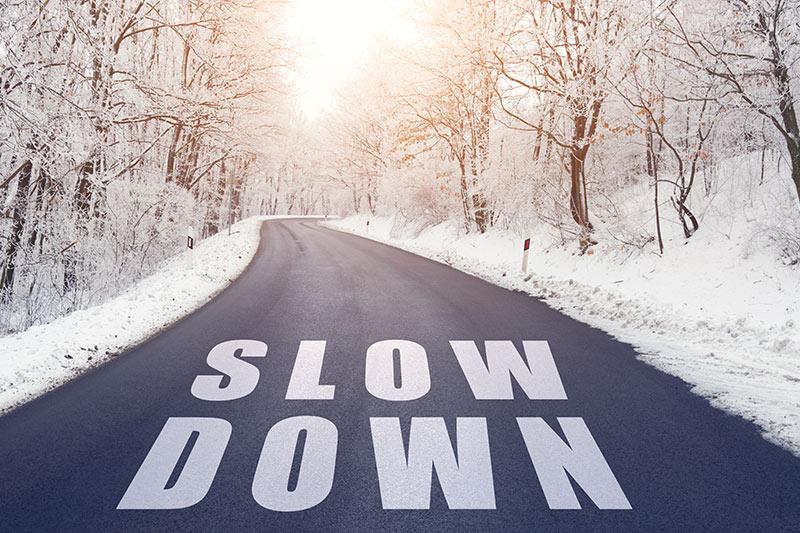
Remember that it’s better to arrive late than not at all. Adjust your schedule to allow for slower driving speeds and potential delays due to weather conditions. By taking these precautions and implementing these safe ways to drive in the snow, you can adapt your driving style to the challenges of snow and ice. That way you can ensure a safer and more comfortable journey for you and your family in winter conditions.
Need someone to check your tyres, lights, windscreen, wipers or washer fluid and anti freeze levels? Give us a call and book into our garage for your Winter checkup.
