
info@raynerdiesel.co.uk
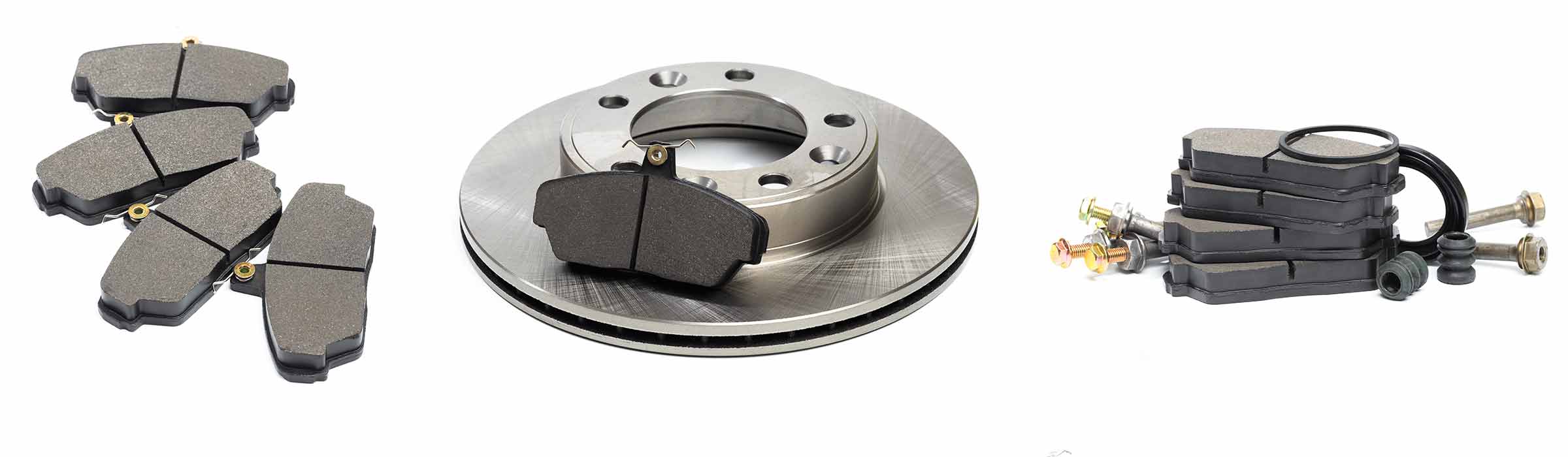
Looking for Brake Pads and Discs in Newbury? Our fully equipped garage offers a huge range of brake pads and disc services from car brake repairs to complete brake replacements. We keep a wide range of the most popular brake parts in stock, at great prices and they’re all fully guaranteed. If we don’t hold it, we can get it with minimal delay so you can be back on the road in no time. If you’re worried about the condition of your brakes we can inspect them and, if replacements are needed, can fit them for you. If you’re looking for brake pad replacement in Newbury, give us a call and book your vehicle in.
The brakes on your vehicle are without a doubt one of its most important safety features. The brake system on your vehicle generally consists of a pair of brake pads, a central brake disc and a calliper that holds the pads for each wheel. This is all connected to a hydraulic system that operates the brakes. When you press the brake pedal with your foot, hydraulic brake fluid in the calliper causes the brake pads to be pushed together. This makes them touch the brake disc on either side and the friction this creates is used to slow (and stop) your vehicle. Worn brakes reduce stopping distances.
Depending on the manufacturer, brake pads are made of ceramic, organic or semi-metallic material. Although incredibly durable and designed to take huge forces, they will eventually wear out. If you consider how many times you use the brakes, even on a short journey, the gradual wear on the brake pads surface adds up. A typical set of brake pads can last anywhere between 25,000 and 50,000 miles BUT this is heavily dependent on how you drive, where you drive and the weight of your vehicle. And that includes how many passengers and what load is carried.
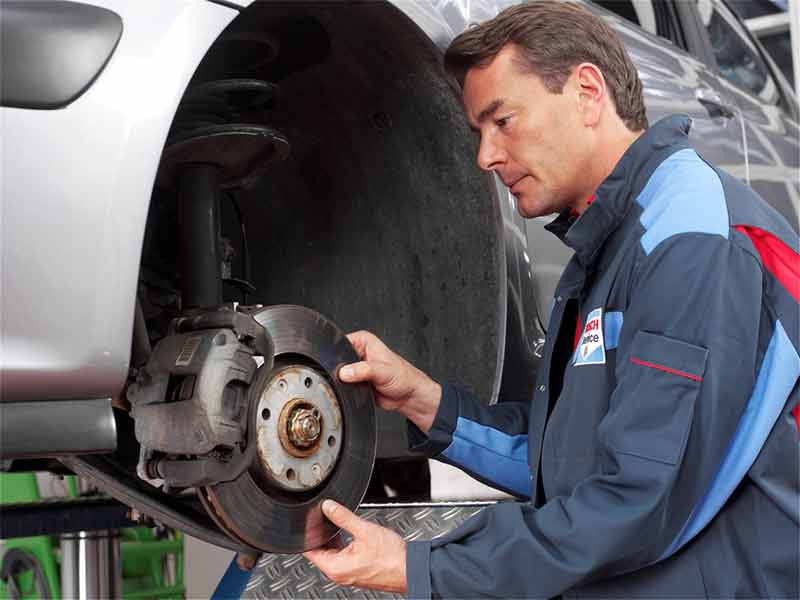
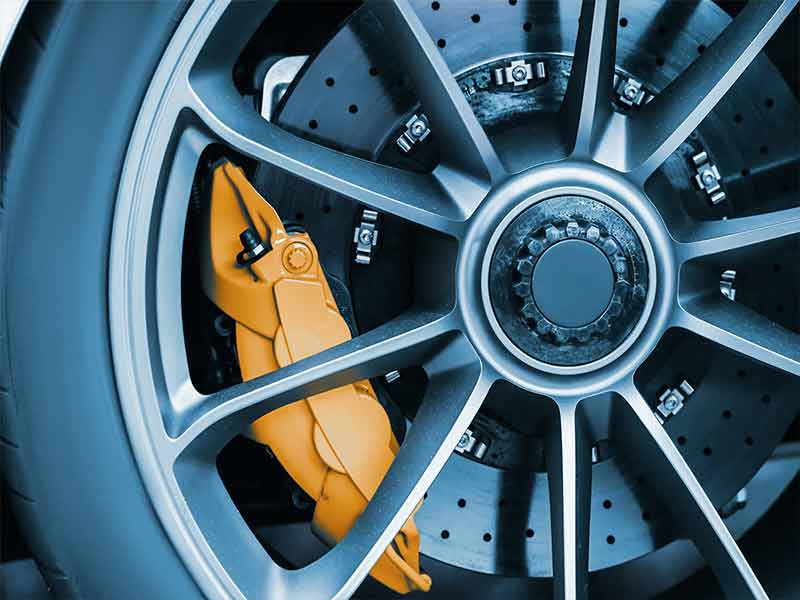
Warning Light – Many modern vehicles are fitted with brake pad sensors that indicate when pads are almost worn out. If this is the case a warning light will appear on the dashboard. Not all vehicles have this system though.
Squeaking – Loud screeching or squealing when the brakes are applied usually indicates the need for new brake pads. It could also mean the pads are sticking, and always remain partially applied. Worth getting them checked either way.
Grinding – If you hear a grinding noise when applying the brakes this can mean that the brake pad has completely worn down to the caliper and that is now touching the brake disc. If this is the case, the disc will be damaged and may need replacing too.
Sponginess – If the brake pedal feels ‘spongy’ or worse still, unresponsive, you may have air in the brake lines. This stops the effective functioning of the brake fluid and hampers brake performance. This will need to be checked and the brake system ‘bled’. It’s a good idea to get your brake fluid replaced every couple of years also.
Pulling – If your vehicle starts pulling to one side when applying the brakes it could be that one side is more worn than the other. Or that one side has been completely worn away. In either case, get them checked as soon as you can.
Looking for Brake Pads and Discs in Newbury? Our fully equipped garage offers a huge range of brake pads and discs, all in stock, at great prices and fully guaranteed. If you’re worried about the condition of your brakes we can inspect them and, if replacements are needed, can fit them for you.
The brakes on your vehicle are without a doubt one of its most important safety features. The brake system on your vehicle generally consists of a pair of brake pads, a central brake disc and a calliper that holds the pads for each wheel. When you press the brake pedal with your foot, hydraulic brake fluid in the calliper causes the brake pads to be pushed together. This makes them touch the brake disc on either side and the friction this creates is used to slow (and stop) your vehicle.
Depending on the manufacturer, brake pads are made of ceramic, organic or semi-metallic material. Although incredibly durable and designed to take huge forces, they will eventually wear out. If you consider how many times you use the brakes, even on a short journey, the gradual wear on the brake pads surface adds up. A typical set of brake pads can last anywhere between 25,000 and 50,000 miles BUT this is heavily dependent on how you drive, where you drive and the weight of your vehicle. And that includes how many passengers and what load is carried.
Warning Light – Many modern vehicles are fitted with brake pad sensors that indicate when pads are almost worn out. If this is the case a warning light will appear on the dashboard. Not all vehicles have this system though.
Squeaking – Loud screeching or squealing when the brakes are applied usually indicates the need for new brake pads. It could also mean the pads are sticking, and always remain partially applied. Worth getting them checked either way.
Grinding – If you hear a grinding noise when applying the brakes this can mean that the brake pad has completely worn down to the caliper and that is now touching the brake disc. If this is the case, the disc will be damaged and may need replacing too.
Sponginess – If the brake pedal feels ‘spongy’ or worse still, unresponsive, you may have air in the brake lines. This stops the effective functioning of the brake fluid and hampers brake performance. This will need to be checked and the brake system ‘bled’. It’s a good idea to get your brake fluid replaced every couple of years also.
Pulling – If your vehicle starts pulling to one side when applying the brakes it could be that one side is more worn than the other. Or that one side has been completely worn away. In either case, get them checked as soon as you can.
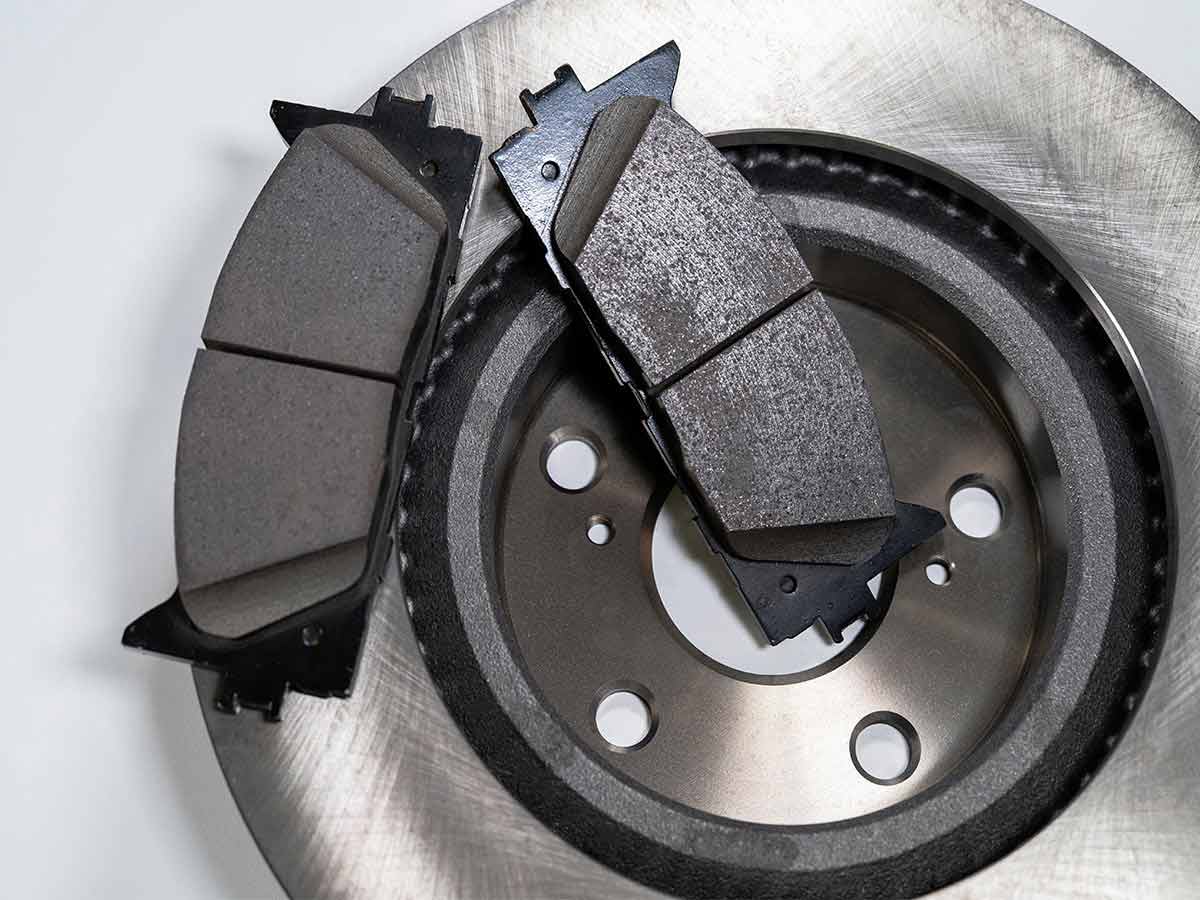
Regular brake checks are recommended as part of your vehicle maintenance schedule. The yearly MOT thoroughly checks your entire brake system as it’s one of the most important safety features of your vehicle. But 3 years is a long time between checking your brakes. The law stipulates that brake pads with a thickness of 3mm or under should be replaced. And depending on how many miles you drive a year, you could need brake pad replacements more frequently than that. And if your brake pads are completely worn down they may have damaged the discs which will mean you’ll need disc replacements too.
If you’re in any doubt about the functioning of your vehicles brakes we would recommend that you always get them checked out by a qualified technician. Rayners team are all fully qualified and experienced when it comes to brake issues and replacements. We can inspect and diagnose your vehicle and can then recommend any action needed. And as the braking system on your vehicle is a complicated system, we can supply and fit any of the components that may need replacing including wear sensors, brake drums, hoses, pipes cylinders and hydraulic fluids.
So if you’re after brake pads and discs in Newbury then give us a call. You can book in with us on 01635 46323 or alternatively email us at info@raynerdiesel.co.uk
